Suspension-Part Compatibility: What to Check Before Ordering
Check fitting position, vehicle equipment, part configuration and catalog references before ordering replacement suspension components.
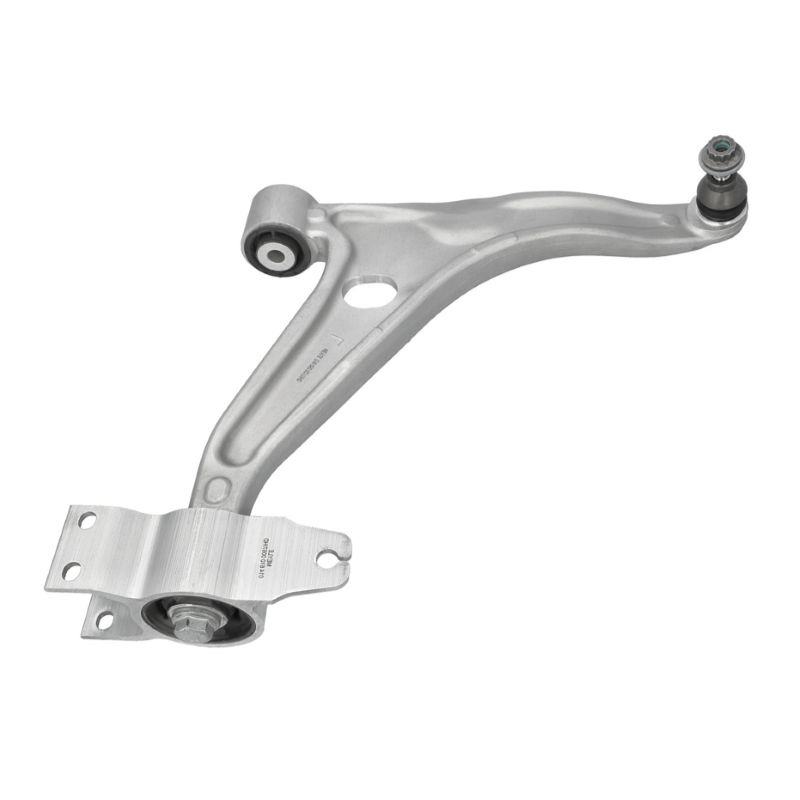
Identify the exact position and configuration
Suspension components can look similar while differing in mounting points, dimensions or supplied hardware. Begin with the vehicle specification and the component’s exact position: front or rear, left or right, upper or lower.
Record production date and any relevant suspension package. An air-suspension component and a conventional spring component should not be treated as interchangeable simply because both appear in a search for the same model.
A reference may describe a different assembly
MOOG’s explanation of control-arm configurations shows why an OE arm body and an aftermarket arm with a pre-fitted ball joint can require extra selection checks. Read what is included and use the manufacturer’s application notes.
Compare the listed arm, joint, bushings and hardware with the required service part. Do not assume a complete assembly is included because a photograph shows several components.
Separate diagnosis from shopping
Clunks, uneven tire wear or a steering change can have more than one cause. A professional inspection should establish the repair before you purchase a part. If handling or steering feels unsafe, arrange assistance instead of continuing to drive.
Installation requirements, fastener replacement and alignment checks depend on the vehicle and repair. Use the manufacturer’s service procedure and a qualified technician rather than a universal torque or alignment rule.
Compare parts with your checklist
Browse control arms and shock absorbers. Review the 1C9KB control arm only as a catalog example, and verify its application before considering it for a vehicle.
Use the fitment checklist and shopping FAQ to check part number, package quantity and listing details.