Cooling-System Symptoms: Components to Check Before Ordering
Understand cooling-system component roles and prepare useful details for an inspection before buying a radiator, water pump or thermostat.
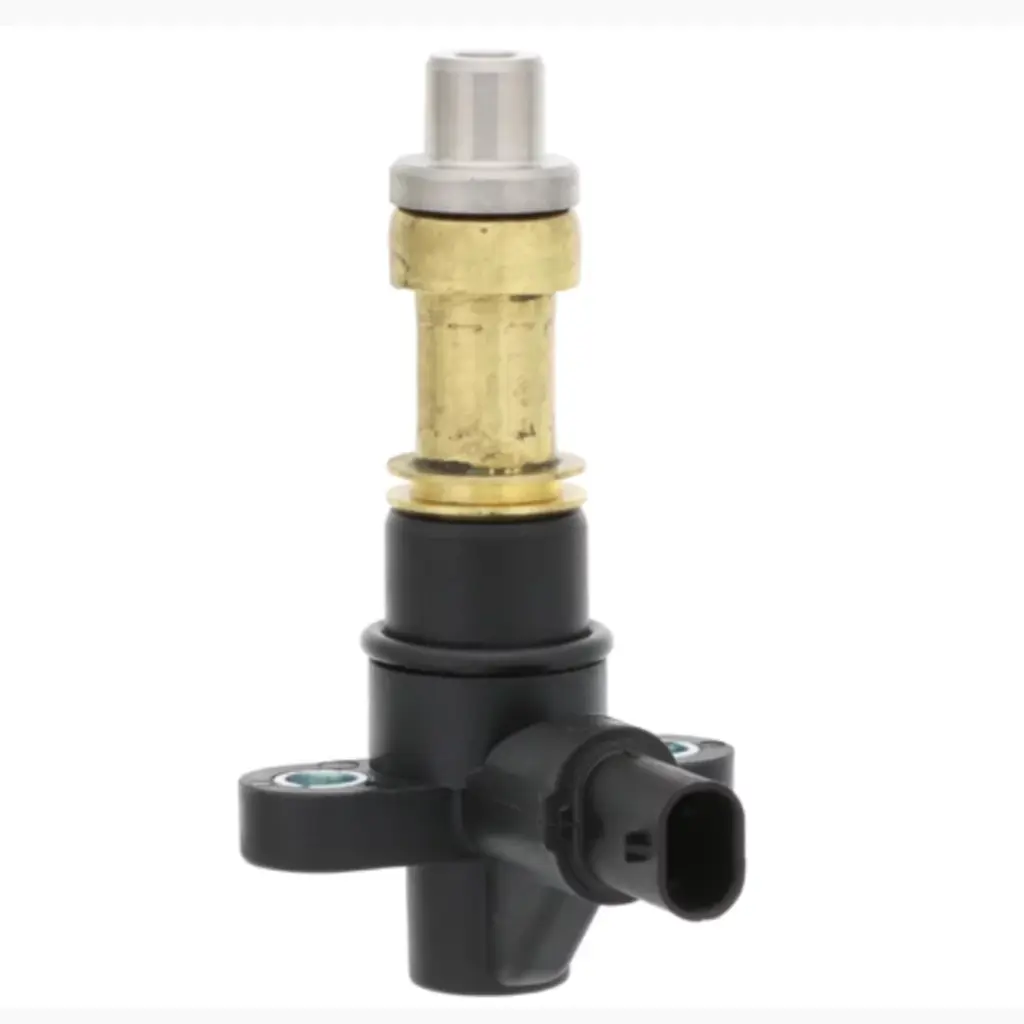
A system, not one part
An overheating warning does not identify the failed component. Cooling depends on circulation, heat transfer, airflow and control. Buying a thermostat or water pump based only on a warning light can leave the actual problem unresolved.
Gates’ Cooling 101 overview describes the water pump’s circulation role, the radiator’s heat-removal role and the hoses connecting cooling components. Different vehicles use different pump and control arrangements, so check the service information for your vehicle.
Record the circumstances
Note the warning displayed, when it appears, whether the issue happens in traffic or at road speed, and whether coolant loss has been observed. Give this information to a qualified technician. Symptoms guide inspection; they do not prove that a particular part has failed.
If the vehicle shows an overheating warning, stop safely and follow the owner’s manual. Do not open a hot pressurized cooling system. Arrange professional assistance when the vehicle cannot be operated safely.
Match the confirmed replacement
Once the faulty component has been identified, compare the replacement reference and application. Radiators can differ in connections and equipment compatibility. Pumps can differ in drive and control design. Thermostats may be supplied individually or as part of an assembly.
- Record the complete part number.
- Check the engine and production-date application.
- Confirm connectors, hose connections and included components.
- Use the specified coolant and vehicle-specific service procedure.
Explore the relevant categories
Browse radiators, water pumps and thermostats after diagnosis. The 1772000615 thermostat listing illustrates a catalog entry; it is not suitable for every vehicle.
Our part-number guide helps organize the details to verify before ordering.